Terea Japan vs Traditional Cigarettes: Full Health & Taste Comparison
Wiki Article
The landscape of nicotine consumption is rapidly evolving. For decades, traditional combustible cigarettes reigned supreme, despite well-documented health hazards. Today, adult smokers are increasingly exploring alternatives, driven by a desire for a smoke-free experience. Among the most discussed alternatives is the Heated Tobacco System, epitomized by products like Terea Japan sticks used with the IQOS ILUMA device.
This article provides a detailed health and taste comparison between the innovative Terea Japan system and the conventional cigarette, offering insights crucial for adult smokers contemplating a switch. We will analyze the fundamental differences in how these products deliver nicotine, and what that means for your health profile and overall smoking experience.
The Crux of the Matter: Combustion vs. Heating
To understand the difference between Terea Japan and traditional smoking, we must first look at the core process:
1. Traditional Cigarettes: The Harm of Combustion
A traditional cigarette relies on combustion. When you light a cigarette, the tobacco burns at temperatures exceeding 900°C. This combustion process is the source of the vast majority of harm associated with smoking.
Chemical Cocktail: Burning tobacco creates smoke containing thousands of chemicals, many of which are known to be toxic or carcinogenic.
Tar and Carbon Monoxide: Crucially, smoke delivers high levels of tar, a sticky residue that coats the lungs, and Carbon Monoxide, a poisonous gas that reduces the blood’s capacity to carry oxygen. It is the tar and the sustained exposure to these thousands of harmful chemicals—not the nicotine—that cause smoke-related diseases.
The Taste: The characteristic taste of a traditional cigarette is dominated by ash and smoke, a direct result of the tobacco burning.
2. Terea Japan and the Heated Tobacco Difference
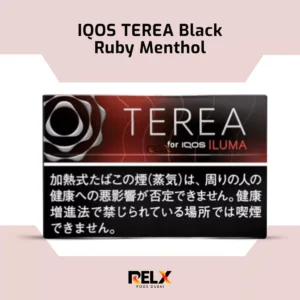
Terea sticks are specifically designed for use with the latest generation of IQOS devices, like the IQOS ILUMA, which employs Smartcore Induction Technology. The fundamental difference is that the Terea tobacco stick is heated, not burned.
Controlled Temperature: The device heats the tobacco to a much lower temperature (typically below 350°C), which is sufficient to release a nicotine-containing aerosol without igniting the tobacco.
No Smoke, No Ash: Because there is no combustion, Terea systems produce no smoke and no ash. The resulting vapor, or aerosol, is fundamentally different from cigarette smoke.
The Taste: Without combustion, the experience shifts from "smoke and ash" to a cleaner, true tobacco flavour. Users often report a more consistent taste from beginning to end, avoiding the increasingly harsh, burnt flavour typical of the final puffs of a traditional cigarette. Terea Japan offers a diverse range of options, from rich and robust blends to lighter, smoother variants, catering to different palate preferences.
Health Comparison: A Reduction in Exposure
For adult smokers, the potential health implications are the most critical factor in comparing these two delivery systems. While no tobacco product is safe, public health bodies and scientific studies internationally generally agree on the relative risk profile.
Reduced Exposure to Harmful Chemicals
The primary scientific consensus supporting heated tobacco products is the significant reduction in exposure to harmful and potentially harmful constituents (HPHCs).
Quantifiable Reduction: Studies show that the aerosol produced by the Terea system contains, on average, 90% to 95% lower levels of HPHCs compared to the smoke from a reference traditional cigarette. This reduction is directly attributable to the absence of combustion.
Tar-Free Delivery: Since there is no burning, there is no tar. Tar is solely a byproduct of combustion. While the Terea aerosol is not harmless, its absence of tar represents a major difference from traditional smoking.
Important Caveat: It is crucial to note that “reduced exposure” does not mean “reduced risk” has been conclusively proven over the long term, and it certainly does not mean the product is risk-free. Heated tobacco products still deliver nicotine, which is addictive, and are only intended for adult smokers who would otherwise continue to smoke.
Secondary Impact: Air Quality and Odor
The impact extends beyond the immediate user to those around them:
Secondhand Smoke: Traditional cigarettes produce true secondhand smoke, a known health hazard. Terea systems produce an aerosol that dissipates more quickly and has been shown to contain significantly lower levels of HPHCs than cigarette smoke.
Odor and Residue: The lingering smell of smoke on clothes, furniture, and in the air is a major drawback of traditional cigarettes. The Terea Japan vs Cigarettes experience vastly differs in this regard, with the heated tobacco aerosol leaving a far less persistent and noticeable odour.
Taste and Experience: Bridging the Gap
Switching from smoking to a heated tobacco system is a change in habit as much as it is a change in substance delivery.
For a long-time smoker, the initial taste of Terea Japan may be perceived as lighter or different due to the absence of the harsh, burnt elements they are accustomed to. However, many who successfully switch prefer the cleaner, less intrusive tobacco taste once their palate adjusts. The flavour consistency—which remains true from the first puff to the last—is often cited as a key benefit of the smoke-free experience.
The variety offered by Terea Japan—with different profiles often segmented by strength, richness, and cooling effects—allows users to find a close match to their preferred traditional cigarette profile.
Making an Informed Decision
For adult smokers looking for a modern, smoke-free alternative, the Terea Japan system presents a compelling case based on scientific data showing a substantial reduction in the production of harmful chemicals compared to traditional cigarettes. This distinction is vital: one is a product of combustion, and the other is a product of heating.
While the decision to switch is personal, understanding the fundamental process behind the delivery of nicotine—and the consequences of combustion—is the first step toward a more informed choice. If you are an adult smoker seeking a smoke-free option, explore the different Terea Japan vs Cigarettes alternatives available today.
Report this wiki page